No products on this page. This job needs leaves, something to put them in, and two years of leaving them alone. A bin bag you already have will do it. Nothing here is an affiliate link.
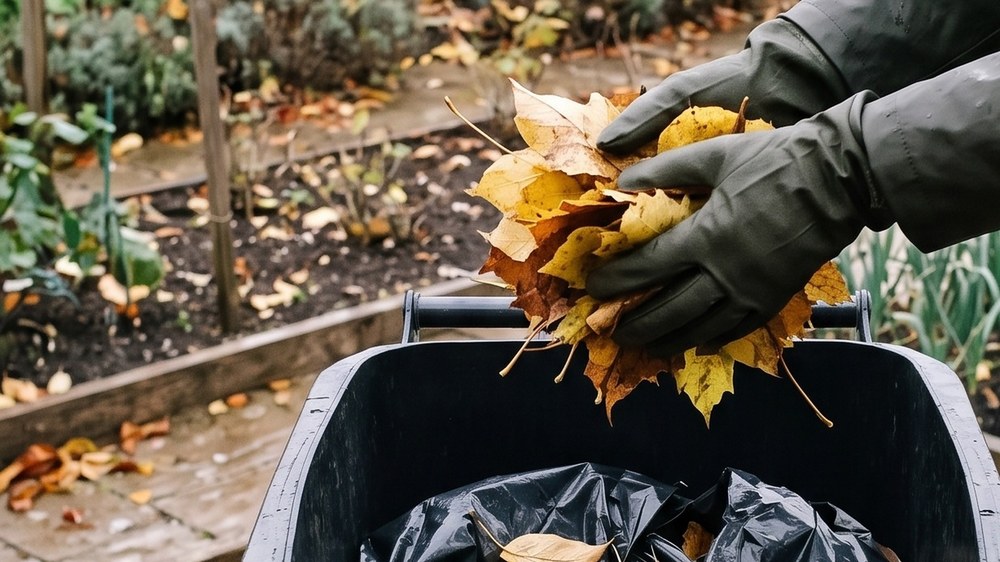
There are four places the leaves on your lawn can go, and only one of them is wrong. The other three are all fine — they just give you different things back.
Four places, and only one is a mistake
One — the household rubbish bin
The only wrong answer
Leaves in the black bin go to landfill or incineration. That is a free soil improver, gathered and bagged by you, thrown away. There is no situation in which this is the best option, because the next one costs you exactly the same effort.
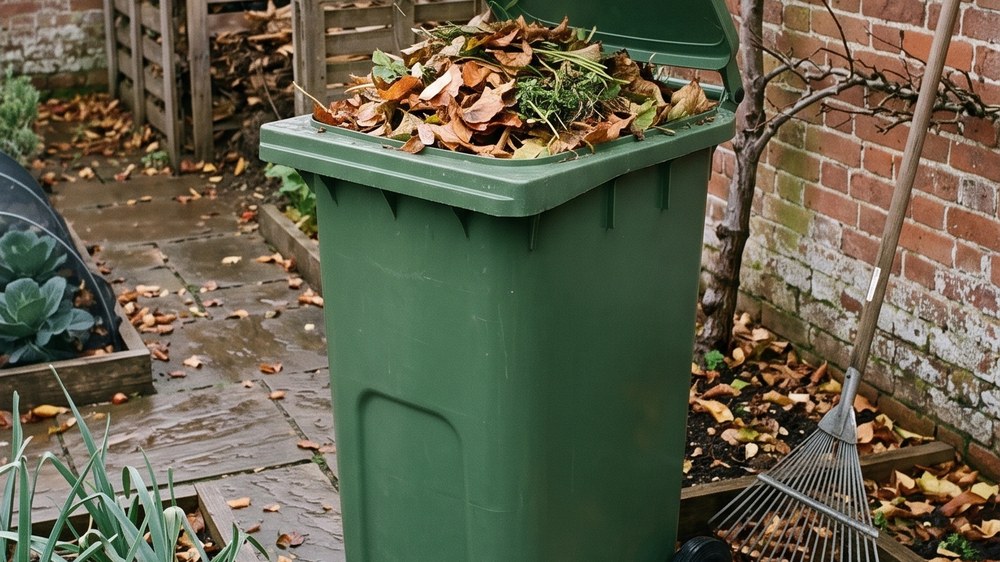
Two — the council green waste bin
Perfectly good, if you do not want the compost
Nothing is wasted: it is composted municipally and comes back as soil conditioner. You simply do not get it. If you have nowhere to stack bags for two years, or you have more leaves than garden, this is the right answer and you should not feel talked out of it.
It also handles the awkward material. The RHS notes that “council composting facilities should reach temperatures capable of killing most diseases”, while at home “compost bins rarely reach temperatures sufficient for killing pathogens.”
Three — your compost heap
For the tough, waxy and evergreen
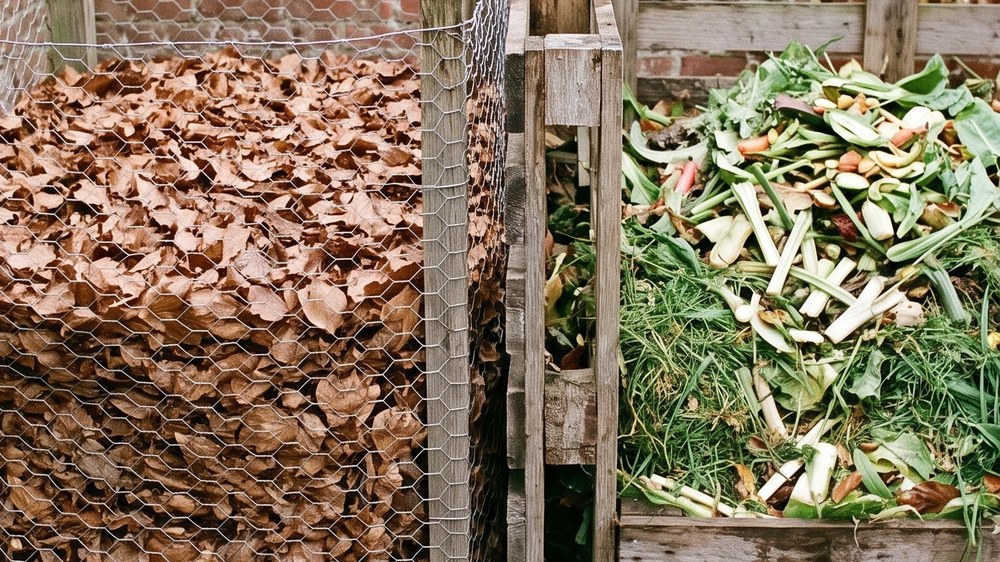
Your ordinary heap is hot, wet and mixed, and it is the right home for the leaves that will not make leaf mould: holly, laurel, conifer, and anything thick and leathery. Gardeners’ World puts it directly — shredded, those “rot down best in the heat of a mixed-ingredient compost bin or heap.”
Four — a leaf mould heap of its own
The one worth the trouble
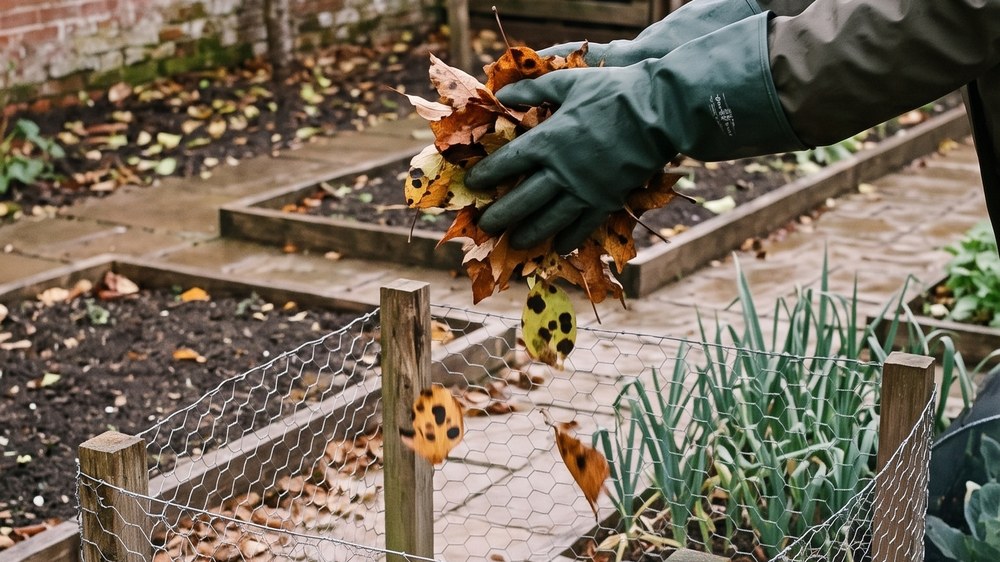
Everything deciduous goes here: a wire cage, a bin bag, a hessian sack. Left alone it becomes the best mulch and the best seed compost you will ever not pay for. This is the rest of the page.
Why it gets a heap of its own
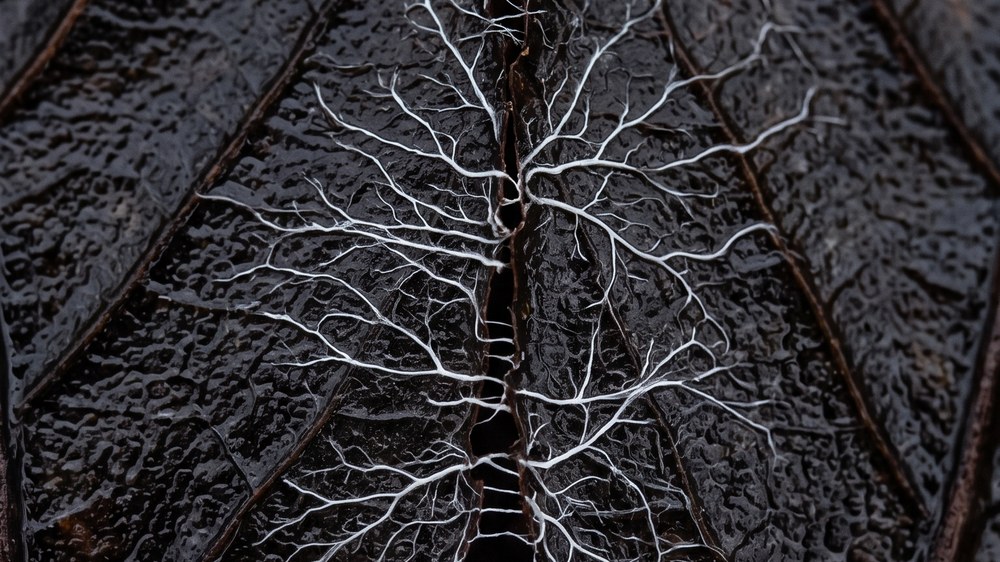
A compost heap and a leaf heap are run by different organisms. Garden Organic makes the distinction plainly: “autumn leaves are rotted down mainly by the slow, cool action of fungi” — not the quicker-acting bacteria that do the work in a compost heap.
That is why leaves smother a compost heap if you tip a barrowload in: they mat down, go airless, and sit there while everything around them finishes. And it is why leaf mould takes a year or two and needs nothing from you in the meantime. Compost is hot, wet and managed. Leaf mould is cold, slow and ignored.
Yes, including the blackspotted ones
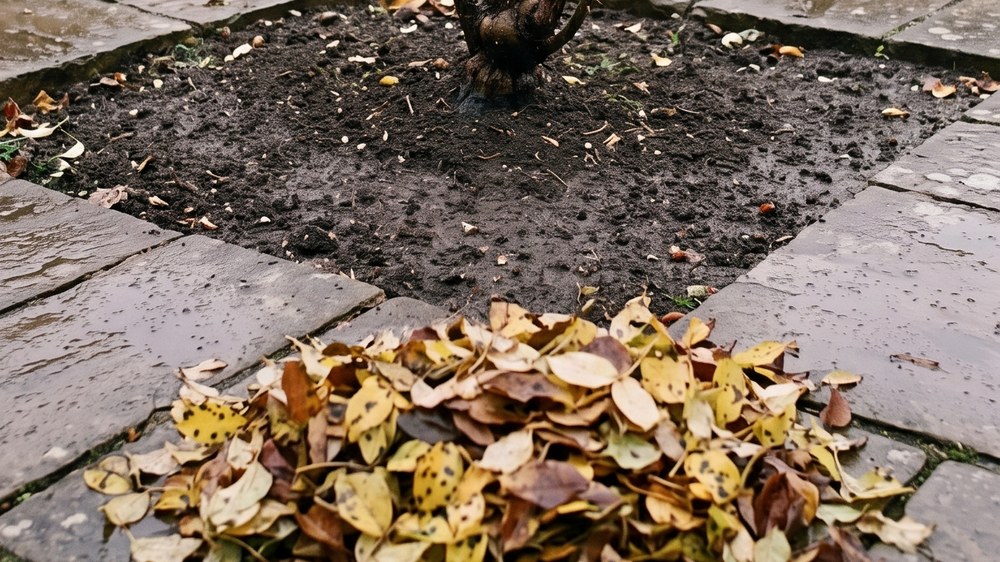
This is the part most people get backwards, including us until we checked. Garden Organic is unambiguous: “you can use all fallen leaves in the autumn. Even the ones with black spots.” The RHS excludes nothing on grounds of disease either — “all leaves and conifer needles will eventually break down into leafmould.”
It is not a contradiction of the advice to clear fallen leaves from under a blackspotted rose. That advice is about location: the spores overwinter on the fallen leaves and splash back up onto next year’s new growth. Getting the leaves away from the plant is the entire point, and a sealed bag at the back of the shed is as far away as a council lorry. The RHS adds that “common foliar fungal diseases such as powdery mildews and rusts can not usually survive for long” once the leaf they grew on has gone.
Our view
Diseased leaves and diseased plants are not the same problem, and advice that lumps them together costs people a lot of good material. A slumped, blackened crown you have cut out of a border is living tissue carrying a rot, and that belongs in the council bin — see what to cut back and when. A spotted leaf that has already fallen is on its way to being nothing at all. Bag it.
What to keep out
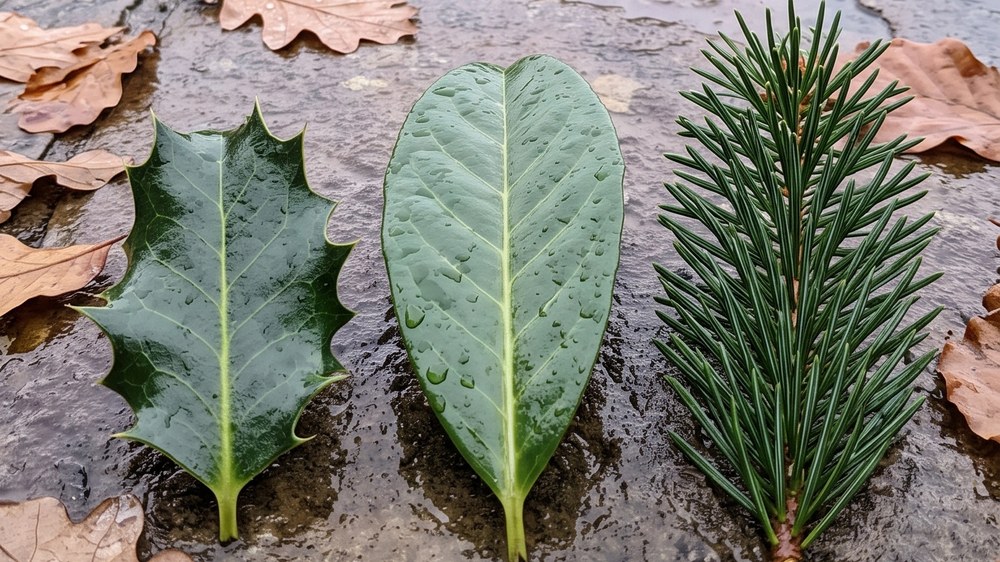
Evergreens are the real rule, and it has nothing to do with disease. Garden Organic warns they “can take up to three years to rot down”, and the RHS sends them elsewhere: “evergreens such as holly, Aucuba and cherry laurel, are better shredded and added to the compost heap.”
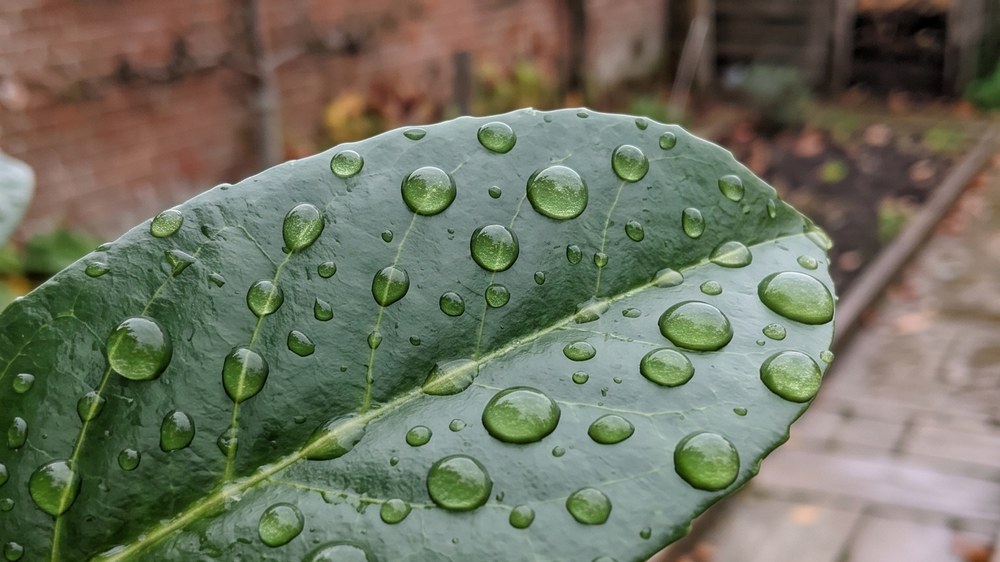
Gardeners’ World gives the reason the other two leave out. Conifers: “a waxy resin coats the needles, so they take over a year to break down.” Broadleaf evergreens: “evergreen leaves also have a waxy coating and can stick together, slowing decomposition.” Water cannot get in, so the fungi cannot get started, and one bag of laurel will still be laurel when the rest is mulch.
One worthwhile exception: the RHS says “pine needles are worth gathering and placing in a separate leafmould pile”, because what you get is acidic — useful if you grow rhododendrons, camellias or blueberries.
The method, start to finish
Shred the thick ones
Two minutes that saves a year
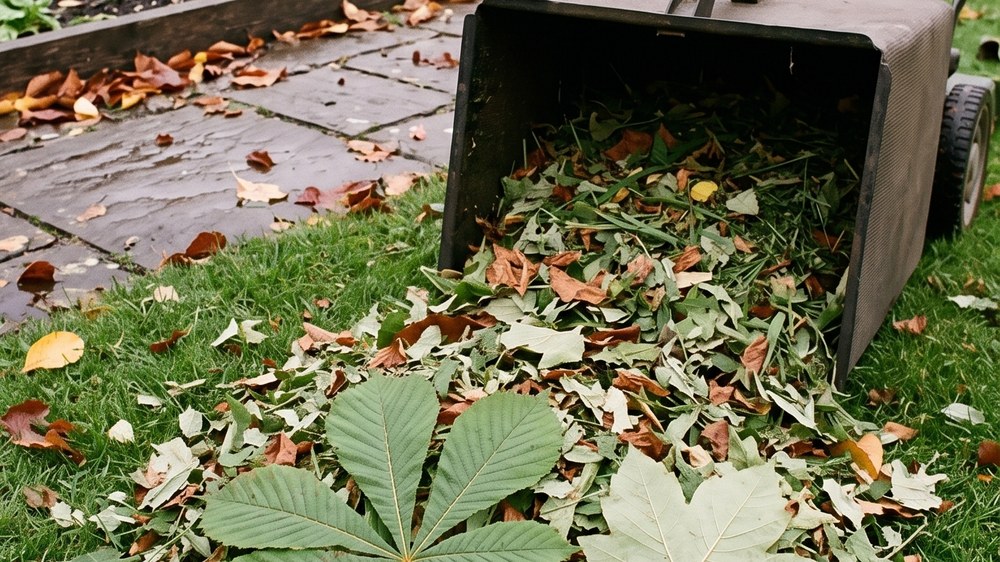
The RHS names the slow leaves — sycamore, walnut, horse chestnut and sweet chestnut — and says to shred them. The easiest shredder most people own is the mower: rake the leaves into a strip on the lawn and mow over them with the box on. Gardeners’ World puts the big-leaved trees at “18-24 months” whole, against “within a year” for ash, beech, birch, hornbeam, oak and willow.
Pack them damp, and pierce the bag
The only two things that can go wrong
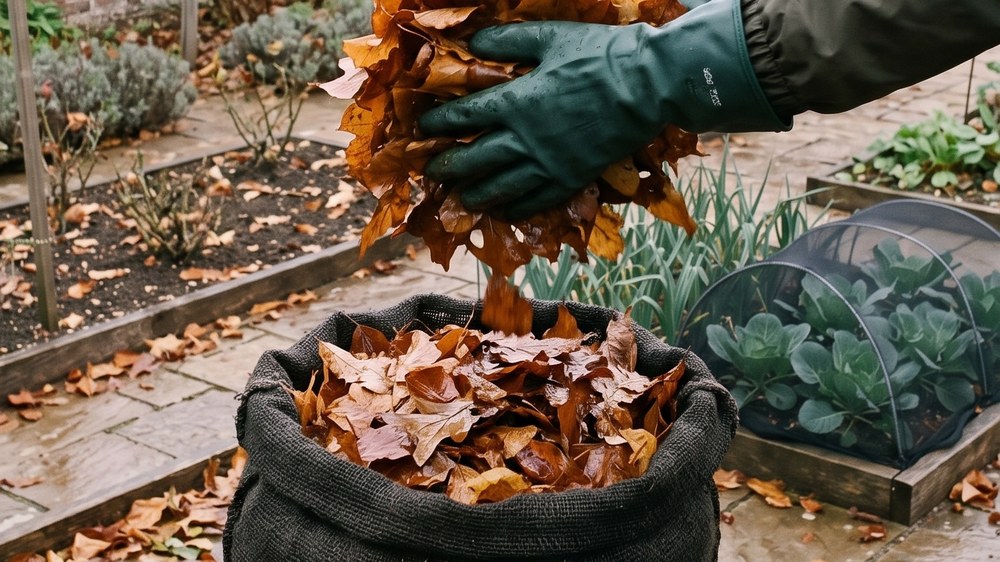
Garden Organic: “pack them while damp into a container – a reusable bin bag or a wire frame.” Dry leaves do nothing at all, so if they came off a dry path, water them in the bag. Then pierce it in a dozen places with a fork or a knife — airless leaves go sour and slimy instead of crumbling. Damp, not sodden, and firmed down rather than rammed in.
Stack them somewhere you will not look at them
Then forget about it
Behind the shed, under a hedge, down the side of the greenhouse. The RHS method is exactly this: into a bin liner, moistened if dry, holes pierced, top tied loosely, and the bags stacked out of sight for up to two years. There is no turning, no feeding, no watering and nothing to check.
One year or two
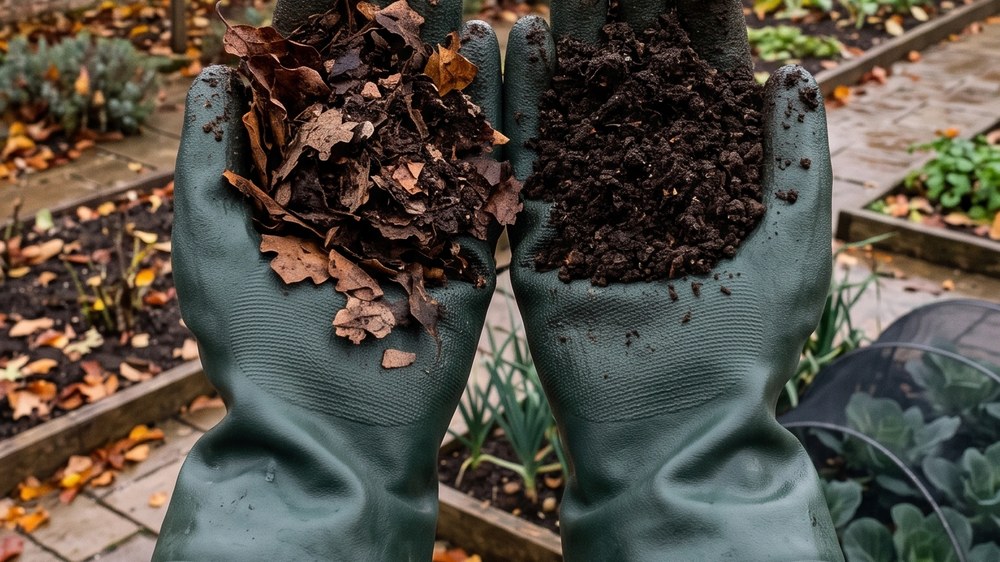
After a year you have coarse, flaky, part-rotted leaf mould, and that is already useful. Garden Organic uses the young stuff to cover bare soil over winter and to “mulch around herbaceous shrubs, trees, and vegetables in the summer to suppress weeds and keep the soil moist.” It also goes on the lawn as an autumn top-dressing, and into heavy soil to open it up.
After two years it is dark, fine and crumbly, and it becomes something you would otherwise buy. The RHS: “good quality, well-rotted leafmould (more than two years old) can be used as seed-sowing compost.” Garden Organic calls it “the perfect low nutrient, fine-structured medium to help seed germination” — low nutrient being the point, not a failing: seedlings want almost nothing to eat until they have roots.
Which is the real argument for doing it. The leaves are already on the ground, the work is one afternoon in November, and in two years it hands you back the one bagged product in the garden centre that is hardest to justify buying.
Images on this page are stills from the video and are AI-generated; the presenter is not a real person. The black spot guidance, the fungi-and-bacteria distinction, the evergreen exclusion and the uses for young and well-rotted leafmould are from Garden Organic on leafmould; the suitable leaves, the shredding of thick leaves, the pine needle pile, the bag method and the seed-compost use are from the RHS guide to leaf mould; the wax mechanism and the fast and slow leaf lists are from Gardeners’ World on the best leaves for leaf mould; the composting temperatures and the survival of foliar diseases are from RHS advice on disposing of diseased material. Gardening advice is general by nature — soil, aspect, variety and local climate all change the right answer. See how this channel works for how content is sourced and the terms it is published under.
← All kit lists