No products on this page. This week’s job needs secateurs you almost certainly already own, so there is nothing to sell you and nothing here is an affiliate link.
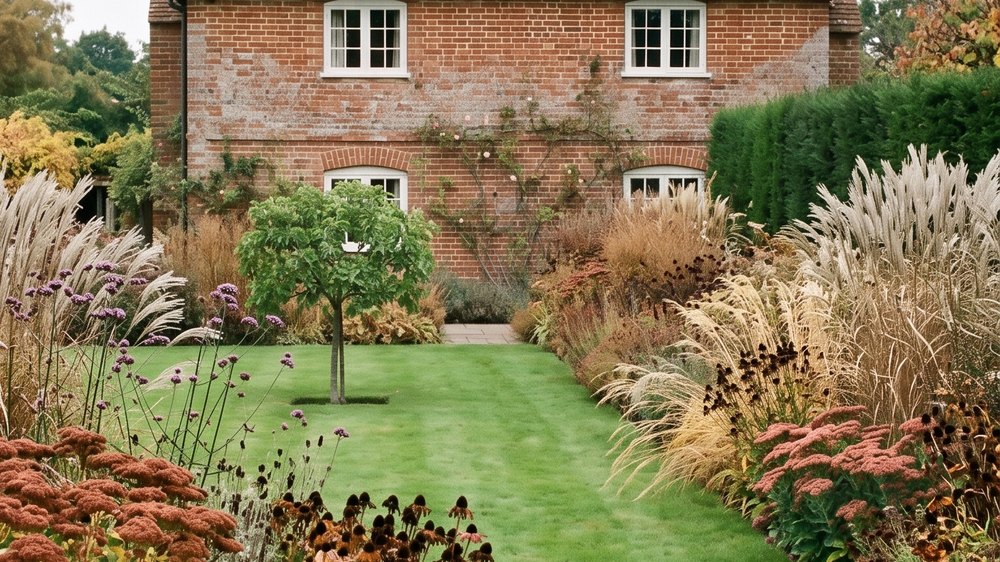
The instinct in October is to cut the borders to the ground and have done with it. Mostly that is the wrong month, and the wrong job. The big tidy belongs in February. Three rules until then.
Why it waits
The RHS gives the window for cutting back herbaceous perennials as “autumn until spring” and notes that gardeners often “delay the cut back until spring” — because doing it early “removes potential winter interest, in the form of height and structure, plus food and habitat sources for wildlife.”
So it is not that autumn is forbidden. It is that you gain nothing by rushing and you lose three things: the look of the garden for five months, the seed, and the shelter.
One — leave the seedheads
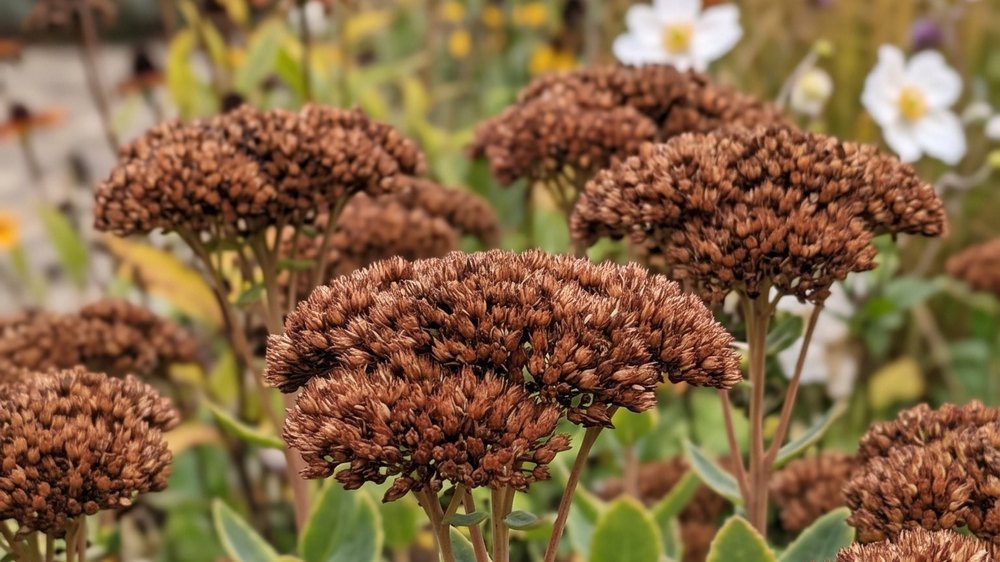
Anything that still stands up, stays up
The easiest rule in gardening: do nothing
Sedum is the best example — the flat heads go from pink to rust to a dark skeleton and hold their shape until February. Ornamental grasses are the other one, and the RHS names them alongside Eryngium and Phormium as perennials worth keeping for their dried material.
- The test is whether it is still standing. If a stem holds itself up, leave it. If it has collapsed into a wet heap, see rule three.
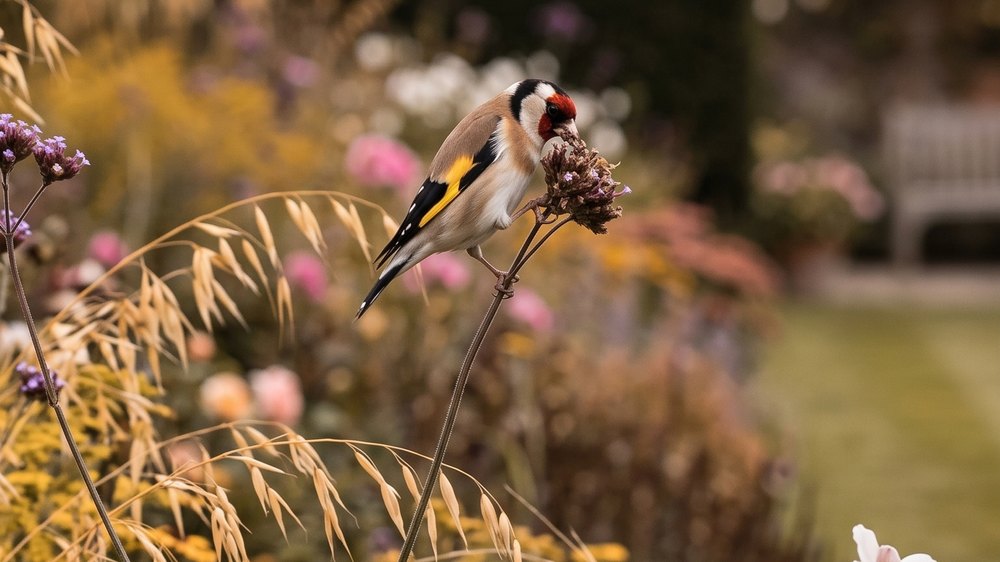
- Frost is the payoff. A rimed seedhead in January is the whole reason for this, and you cannot have it if you cut in October.
- Hollow stems are hibernation sites. Cutting them down and binning them in autumn takes the insects with them.
Two — leave the old growth on anything tender
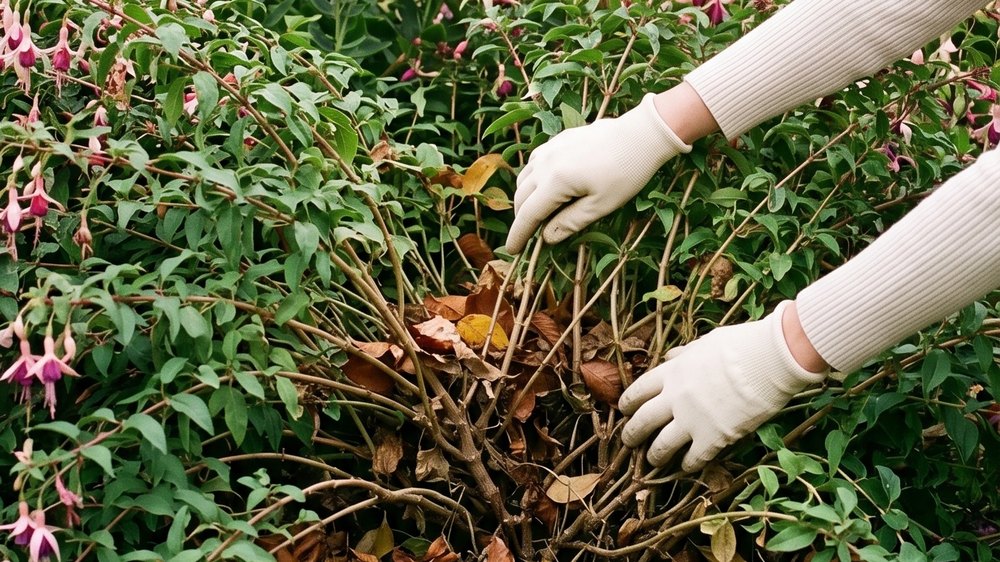
The dead stems are a blanket
The one that actually kills plants
On borderline-hardy perennials the old top growth is insulation. The RHS is specific about it: leaving the old stems on tender plants such as penstemons protects “the crown from frost.” Tidy them off in October and you have stripped the covering off the one part of the plant that has to survive the winter.
- Hardy fuchsia is the classic case. Leave everything standing, then trim out the dieback in early spring. In a cold year the frost kills every stem to ground level and it regrows from the base — which alarms people who assume it has died.
- Penstemons, salvias, and anything you were unsure about get the same treatment. If you do not know how hardy it is, that is an argument for leaving it, not cutting it.
Three — cut out what has actually gone bad
Collapsed, slimy or diseased comes off now
The half of the video that is not “do nothing”
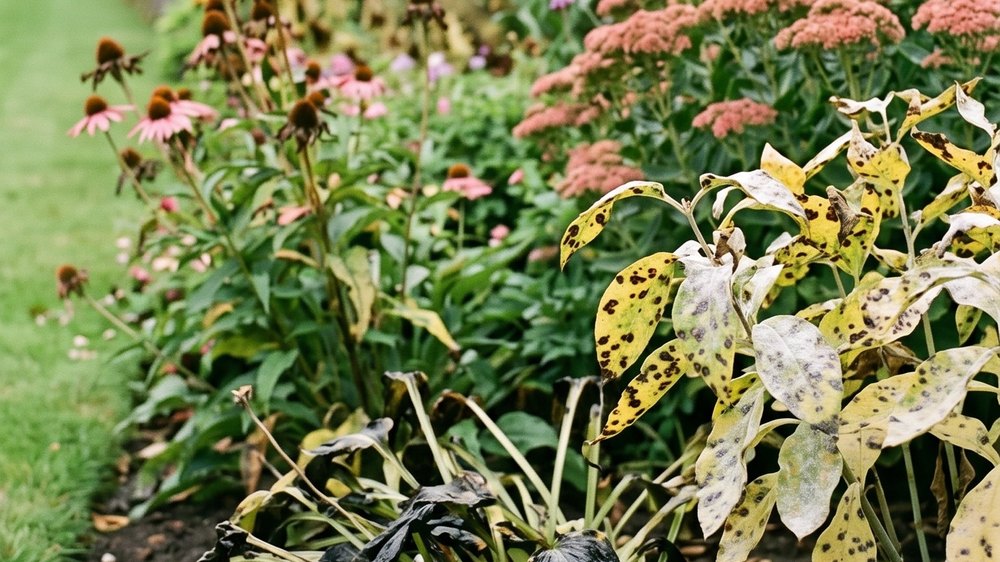
This is the distinction the whole job turns on. Dry, standing, faded is structure. Slumped, wet and blackened is a problem, and so is anything showing disease. The RHS says to remove “material showing signs of decay or fungal growth” and to separate out “any diseased material (showing signs of leaf-spots, mildew and rusts).”
- Cut it low and take it right out — do not leave it lying between the plants to rot down.
- Leaf spot, powdery mildew and rust all overwinter on the material they grew on, and come back in spring on the new growth.
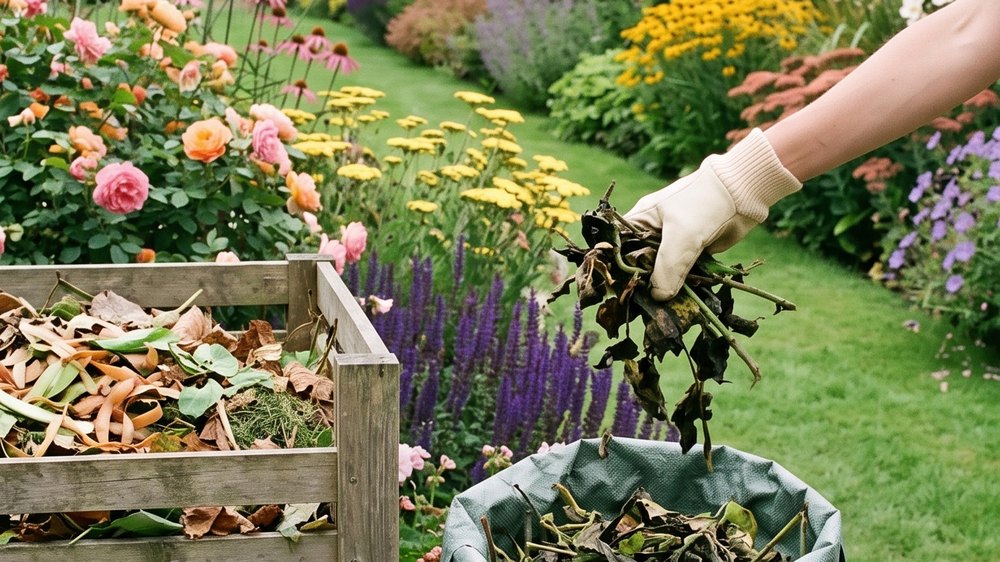
Fallen leaves are a different job. The RHS notes that “common foliar fungal diseases such as powdery mildews and rusts can not usually survive for long” once the leaf they grew on has rotted away — which is exactly what a bagged year or two does. So the leaves raked up from under a blackspotted rose can go in the leaf mould, spots and all; what matters is getting them away from the plant. See how to make leaf mould.
And the hydrangea question
It depends which hydrangea, and most advice skips that
Worth getting right
“Leave the dead heads on over winter” is repeated for hydrangeas in general. The RHS says it for mopheads specifically: “although the blooms on mophead hydrangeas can, in mild areas, be removed as soon as they have faded, it is best to leave them on the plant over winter to provide some frost protection.”
- Mopheads — leave the faded heads on. They shelter the buds beneath.
- Lacecaps are “hardier, and the faded flowerheads can be cut back after flowering.”
- Hydrangea arborescens ‘Annabelle’ is a different job again: “each spring, cut back last year’s stems to a pair of healthy buds to maintain a permanent framework.” No winter frost-protection instruction — it takes a hard spring cut.
If you only remember one thing: work out which of the three you have before you take anything off.
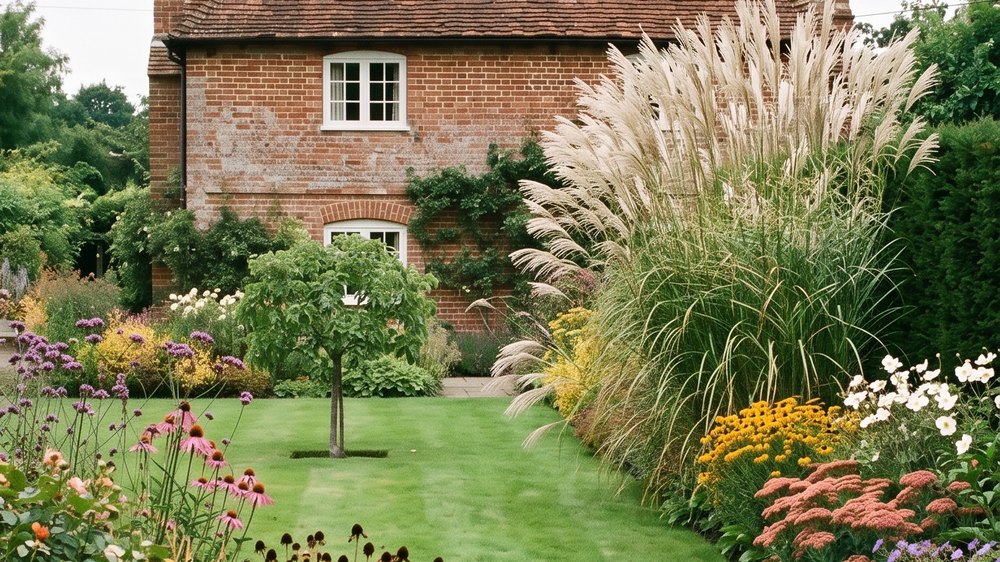
Come February, the lot comes down — grasses included — and the border starts again from the ground. Until then the only tool you need is a pair of secateurs and the discipline not to use them.
Images on this page are stills from the video and are AI-generated; the presenter is not a real person. Guidance on timing, winter interest, crown protection and what to cut out is from the RHS guide to cutting back perennials; the disposal of diseased material is from RHS advice on disposing of diseased material; the hydrangea guidance is from the RHS hydrangea pruning guide. Gardening advice is general by nature — soil, aspect, variety and local climate all change the right answer. See how this channel works for how content is sourced and the terms it is published under.
← All kit lists